
 EN
EN
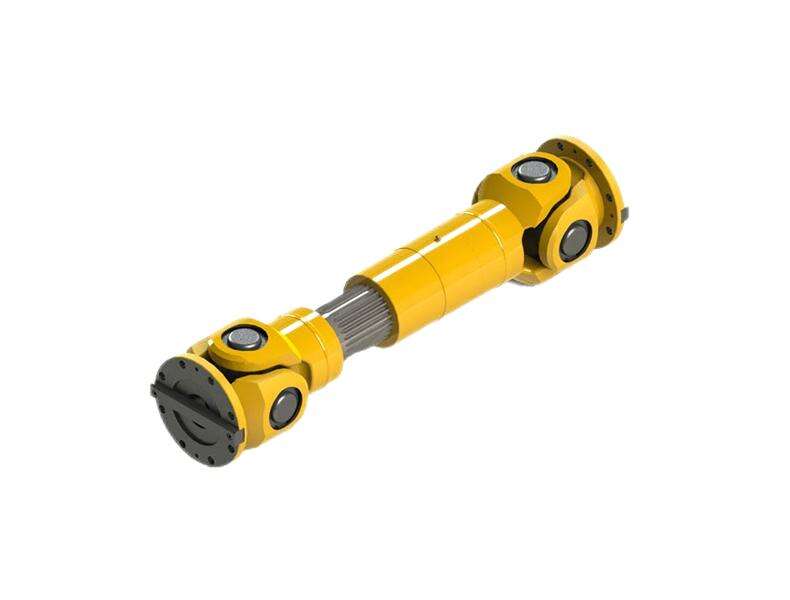
Universal couplings represent one of the most critical components in mechanical transmission systems, enabling the seamless transfer of rotational power between shafts that are not perfectly aligned. These ingenious devices have revolutionized industrial machinery by accommodating angular misalignment, parallel offset, and axial displacement while maintaining consistent torque transmission. The universal coupling serves as the backbone of countless applications across automotive, manufacturing, and heavy industry sectors.
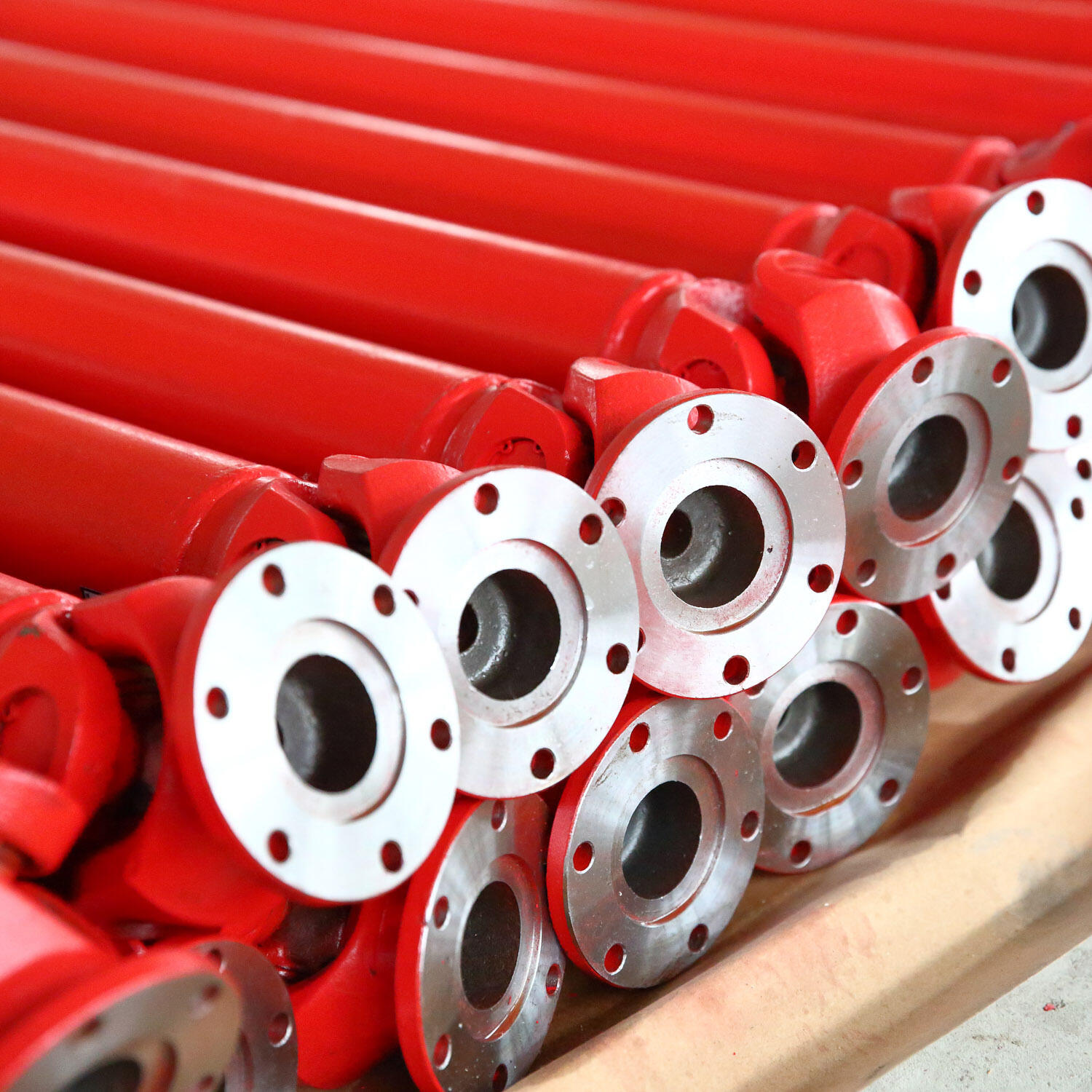
Fundamental Design Principles of Universal Couplings
Cross Joint Configuration
The traditional universal coupling employs a cross-shaped joint design featuring four bearing points that allow rotational movement in multiple planes. This configuration enables the coupling to accommodate angular displacement between input and output shafts while maintaining power transmission integrity. The cross joint mechanism distributes mechanical stress evenly across all bearing surfaces, ensuring prolonged operational life under demanding conditions.
Engineering precision in cross joint manufacturing directly impacts the overall performance characteristics of the universal coupling system. Advanced machining techniques ensure tight tolerances between bearing races and cross pins, minimizing backlash and reducing wear patterns during operation. The robust construction allows these couplings to handle substantial torque loads while maintaining smooth rotational characteristics.
Yoke Assembly Mechanics
The yoke assemblies form the primary connection points between the universal coupling and the connected shafts, transferring rotational forces through carefully engineered interfaces. These components must withstand significant torsional stresses while maintaining precise alignment with their respective shaft systems. Material selection for yoke construction typically involves high-strength steel alloys that provide excellent fatigue resistance and dimensional stability.
Proper yoke design incorporates features that facilitate easy installation and maintenance procedures, including standardized mounting patterns and accessible lubrication points. The geometry of yoke assemblies must accommodate the specific angular requirements of each application while ensuring adequate clearance for full rotational movement. Quality manufacturing processes ensure consistent performance across different operating conditions and load requirements.
Angular Misalignment Compensation Mechanisms
Multi-Plane Flexibility
Universal coupling systems excel at managing angular misalignment through their inherent multi-plane flexibility, allowing connected shafts to operate at various angles without compromising transmission efficiency. This capability proves essential in applications where perfect shaft alignment cannot be maintained due to thermal expansion, foundation settling, or operational vibrations. The coupling automatically adjusts to changing angular relationships while maintaining consistent power transfer.
The degree of angular compensation available depends on the specific universal coupling design and construction materials, with typical systems accommodating angles up to 35 degrees or more. Advanced designs incorporate specialized bearing arrangements that extend operational angle ranges while maintaining smooth rotation characteristics. Engineering calculations must account for the relationship between operating angles and velocity variations to ensure optimal system performance.
Dynamic Balance Considerations
Maintaining dynamic balance in universal coupling installations requires careful attention to phase relationships and operating angles to minimize vibration and wear. Single universal coupling installations inherently produce velocity variations that can cause significant vibration issues if not properly addressed through system design. Double universal coupling arrangements eliminate these velocity variations when properly phased and operated within specified angle ranges.
Professional installation techniques ensure proper phasing relationships between multiple universal coupling assemblies, preventing destructive vibrations that could damage connected equipment. Balance considerations become increasingly critical as operating speeds increase, requiring precision manufacturing and careful attention to component concentricity. Regular inspection procedures help maintain dynamic balance throughout the service life of universal coupling systems.
Industrial Applications and Performance Benefits
Automotive Drive Systems
The automotive industry relies heavily on universal coupling technology for driveline applications, where these components enable power transmission between engines, transmissions, and differential assemblies. Vehicle suspension systems create constantly changing angular relationships that would be impossible to accommodate without flexible coupling solutions. Modern automotive universal coupling designs optimize performance for specific vehicle applications while maintaining compact dimensions and lightweight construction.
Advanced automotive universal coupling systems incorporate specialized materials and treatments that enhance durability while reducing maintenance requirements. Sealed bearing designs protect internal components from environmental contamination, extending service intervals and improving reliability. Performance characteristics must accommodate rapid acceleration, deceleration, and directional changes while maintaining smooth power delivery under all operating conditions.
Manufacturing Equipment Integration
Manufacturing machinery applications demand universal coupling solutions that provide reliable power transmission while accommodating the misalignments inherent in large-scale equipment installations. These couplings enable the connection of motors, gearboxes, and driven equipment that may not be perfectly aligned due to foundation limitations or thermal effects. Industrial universal coupling designs prioritize durability and maintenance accessibility to minimize production downtime.
Heavy-duty manufacturing applications require universal coupling systems capable of handling substantial torque loads while maintaining precise rotational characteristics. Specialized designs accommodate specific industry requirements, such as food-grade materials for processing equipment or explosion-proof configurations for hazardous environments. Custom engineering solutions address unique application challenges while maintaining standardized interface dimensions for ease of maintenance and replacement.
Material Selection and Durability Factors
Steel Alloy Characteristics
High-strength steel alloys form the foundation of most universal coupling designs, providing the mechanical properties necessary to withstand substantial torsional and bending loads. Material selection considerations include ultimate tensile strength, fatigue resistance, and environmental compatibility for specific operating conditions. Advanced heat treatment processes optimize material characteristics while ensuring consistent performance across different temperature ranges and loading conditions.
Specialized steel compositions enhance specific performance characteristics, such as corrosion resistance for marine applications or high-temperature stability for furnace equipment. Material certification processes ensure that universal coupling components meet stringent quality standards for critical applications. Proper material selection directly impacts service life and maintenance requirements, making this a crucial consideration in system design.
Surface Treatment Technologies
Modern surface treatment technologies significantly enhance the durability and performance characteristics of universal coupling components through improved wear resistance and corrosion protection. Coating applications range from basic zinc plating for standard environments to specialized ceramic coatings for extreme operating conditions. These treatments extend component life while reducing maintenance intervals and improving overall system reliability.
Advanced surface treatments also improve the aesthetic appearance of universal coupling assemblies while providing functional benefits such as reduced friction and enhanced corrosion resistance. Application-specific treatments address particular challenges, such as chemical exposure in processing plants or abrasive conditions in mining operations. Quality surface treatments require proper substrate preparation and controlled application processes to ensure long-term adhesion and performance.
Installation and Maintenance Best Practices
Alignment Procedures
Proper installation of universal coupling systems begins with accurate shaft alignment procedures that minimize operating angles while ensuring adequate clearance for full rotational movement. Precision measurement tools and techniques ensure that alignment falls within manufacturer specifications for optimal performance and service life. Professional installation practices account for thermal expansion effects and operational loading conditions that may affect alignment relationships.
Regular alignment verification helps identify potential issues before they result in component failure or system damage. Systematic alignment procedures should be documented and followed consistently to ensure reliable results across different installations. Training programs for maintenance personnel ensure proper understanding of alignment principles and measurement techniques specific to universal coupling applications.
Lubrication Requirements
Effective lubrication systems are essential for maintaining universal coupling performance and extending service life through proper protection of bearing surfaces and moving components. Lubricant selection must consider operating temperature ranges, load conditions, and environmental factors that could affect lubricant performance. Automated lubrication systems provide consistent lubricant delivery while reducing maintenance labor requirements and ensuring optimal component protection.
Lubrication intervals and quantities must be carefully managed to prevent over-lubrication that could attract contaminants or under-lubrication that allows excessive wear. Quality lubricants specifically formulated for universal coupling applications provide superior protection compared to general-purpose alternatives. Regular lubricant analysis programs help identify potential component wear or contamination issues before they result in failure.
FAQ
What is the maximum operating angle for a universal coupling?
Most standard universal coupling designs can accommodate operating angles up to 35 degrees, though some specialized configurations can handle angles up to 45 degrees. The actual maximum angle depends on factors such as operating speed, torque requirements, and desired service life. Higher operating angles generally result in increased wear rates and velocity variations, so it's recommended to minimize angles whenever possible for optimal performance.
How do you calculate the proper torque rating for a universal coupling?
Universal coupling torque ratings should include appropriate safety factors based on the application's operating conditions, including peak torque loads, duty cycle, and environmental factors. A general guideline suggests using a service factor of 1.5 to 2.0 times the nominal operating torque, but specific applications may require higher safety margins. Consulting with coupling manufacturers and reviewing their engineering data ensures proper selection for critical applications.
What maintenance intervals are recommended for universal couplings?
Maintenance intervals for universal coupling systems vary significantly based on operating conditions, but typical recommendations include lubrication every 500 to 2000 operating hours and complete inspection every 5000 to 10000 hours. Harsh operating environments may require more frequent maintenance, while protected applications might extend intervals. Regular visual inspections should be performed during routine equipment maintenance to identify potential issues early.
Can universal couplings be repaired or must they be replaced when worn?
Many universal coupling components can be repaired or refurbished when wear occurs, particularly bearing assemblies and sealing elements. However, worn cross joints or yoke assemblies often require complete replacement due to the precision required for proper operation. The decision between repair and replacement should consider factors such as component availability, repair costs, and the criticality of the application. Professional assessment helps determine the most cost-effective approach for each situation.