
 EN
EN
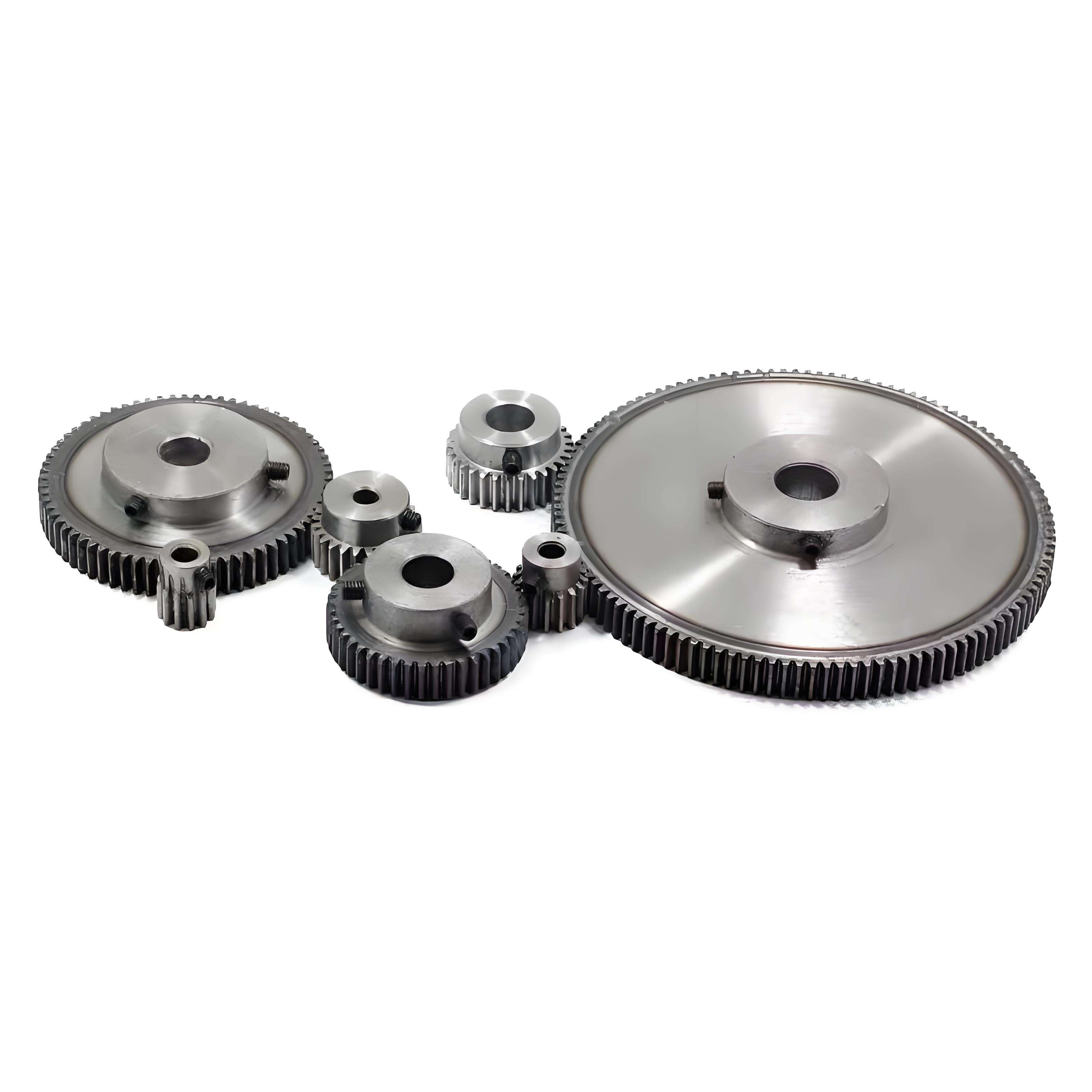
Power transmission systems form the backbone of countless industrial applications, from heavy machinery to precision instruments. Among the various mechanical components that enable efficient power transfer, spur gears stand out as fundamental elements that have revolutionized how rotational motion and torque are transmitted between parallel shafts. These cylindrical gears with straight teeth cut parallel to the axis of rotation represent one of the most reliable and widely implemented solutions in mechanical engineering. Understanding how spur gears function and their role in ensuring smooth power transmission is crucial for engineers, manufacturers, and maintenance professionals working across diverse industrial sectors.
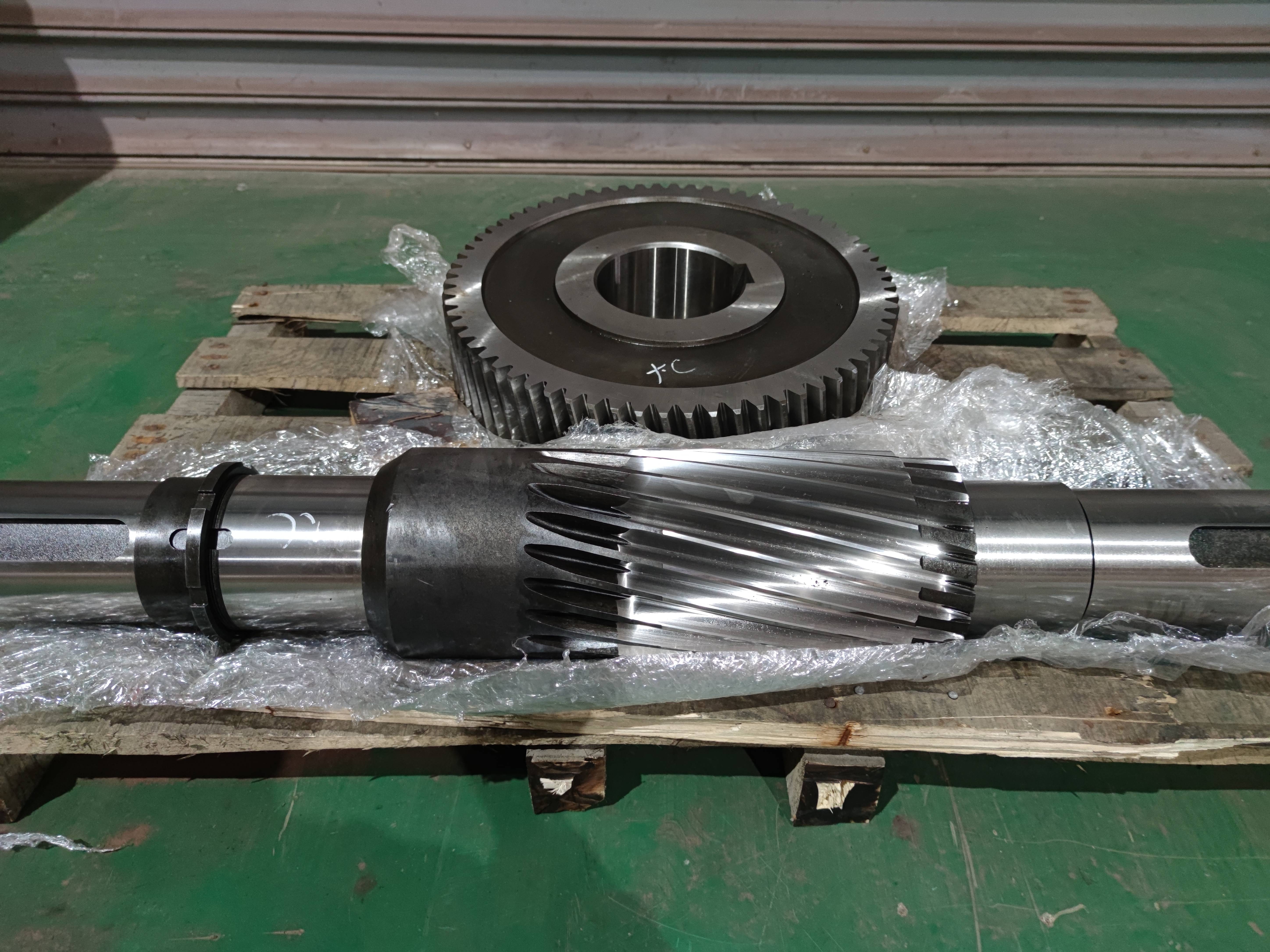
Fundamental Design Characteristics of Spur Gears
Basic Geometric Properties
The geometric design of spur gears follows precise mathematical principles that determine their operational characteristics and performance capabilities. Each gear features teeth that are cut straight across the face width, creating a simple yet effective mechanism for power transmission. The pitch circle diameter, tooth height, and pressure angle are critical parameters that influence how spur gears mesh together and transfer rotational forces. Standard pressure angles of 20 degrees or 25 degrees are commonly employed to optimize the balance between strength and smooth operation. The involute tooth profile ensures constant velocity ratio throughout the meshing cycle, eliminating variations that could cause vibration or uneven power delivery.
Manufacturing precision plays a vital role in determining the quality and performance of spur gears. Modern production techniques utilize computer-controlled machining centers and gear hobbing machines to achieve tight tolerances and consistent tooth geometry. The accuracy of tooth spacing, profile shape, and surface finish directly impacts the gear's ability to transmit power smoothly without excessive noise or wear. Quality control measures include comprehensive dimensional inspections and surface roughness measurements to ensure each gear meets specified performance standards.
Material Selection and Heat Treatment
The choice of materials for spur gears significantly influences their durability, load-carrying capacity, and operational lifespan. High-strength steel alloys such as AISI 4140, 4340, and 8620 are frequently selected for demanding applications requiring exceptional toughness and fatigue resistance. These materials undergo specialized heat treatment processes including carburizing, hardening, and tempering to achieve optimal hardness gradients throughout the tooth structure. Surface hardening techniques create a wear-resistant outer layer while maintaining a tough, shock-absorbing core that prevents catastrophic failure under dynamic loading conditions.
Alternative materials including cast iron, bronze, and engineered plastics serve specific applications where weight reduction, corrosion resistance, or noise dampening are prioritized over maximum strength. Each material selection requires careful consideration of operating conditions, environmental factors, and maintenance requirements to ensure optimal performance throughout the intended service life of the spur gears.
Operational Principles and Power Transmission Mechanics
Torque Transfer Mechanisms
The fundamental principle behind power transmission through spur gears involves the mechanical advantage gained through different gear ratios and the precise transfer of rotational motion between parallel shafts. When two spur gears mesh, the driving gear applies torque to the driven gear through direct contact between their teeth. The gear ratio, determined by the relationship between the number of teeth on each gear, establishes the speed reduction or increase and corresponding torque multiplication or division. This mechanical relationship follows the basic principle that power remains constant while speed and torque are inversely related through the gear train.
The contact pattern between meshing teeth creates a rolling and sliding action that efficiently transfers rotational forces while minimizing energy losses. Proper lubrication reduces friction at the contact interface and helps dissipate heat generated during operation. The load distribution across multiple teeth in simultaneous contact ensures that individual teeth are not overloaded, contributing to the reliability and longevity of the gear system. Advanced analysis techniques using finite element modeling help engineers optimize tooth geometry and load distribution patterns to maximize power transmission efficiency.
Efficiency Factors and Performance Optimization
The efficiency of spur gears typically ranges from 95% to 99% under proper operating conditions, making them among the most efficient power transmission components available. Several factors influence this efficiency level, including manufacturing precision, lubrication quality, operating speed, and load conditions. Gear tooth accuracy directly affects the smoothness of power transmission, with higher precision gears exhibiting reduced vibration and improved efficiency. Surface finish quality impacts friction losses and wear rates, while proper alignment between mating gears ensures optimal load distribution and minimizes edge loading that can reduce efficiency.
Operating parameters such as rotational speed and transmitted load influence the performance characteristics of spur gears. High-speed applications require careful attention to dynamic effects, including centrifugal forces and inertial loads that can affect gear meshing behavior. Load intensity determines the stress levels within the gear teeth and influences the selection of appropriate safety factors during the design process. Regular monitoring of operating conditions and performance parameters enables predictive maintenance strategies that preserve efficiency levels throughout the operational lifespan.
Applications Across Industrial Sectors
Manufacturing and Production Equipment
Manufacturing industries rely extensively on spur gears for power transmission in various production equipment and machinery systems. Machine tools, including lathes, milling machines, and drilling equipment, utilize spur gears to provide precise speed control and torque multiplication necessary for material cutting and forming operations. The reliability and accuracy of these spur gears directly influence the quality and dimensional accuracy of manufactured products. Conveyor systems and material handling equipment depend on gear trains to maintain consistent movement speeds and provide adequate power to transport heavy loads across production facilities.
Packaging machinery represents another critical application area where spur gears ensure synchronized operation of multiple components working in coordination. The precise timing and speed relationships maintained by gear systems enable accurate product positioning, cutting, sealing, and labeling operations. Food processing equipment benefits from the sanitary design capabilities of spur gears manufactured from corrosion-resistant materials and featuring smooth surfaces that facilitate cleaning and prevent contamination.
Automotive and Transportation Systems
The automotive industry extensively employs spur gears in transmission systems, differentials, and various auxiliary drive mechanisms. Manual transmissions utilize spur gears to provide multiple speed ratios that optimize engine performance across different driving conditions. The reverse gear mechanism in most vehicles relies on spur gears to change the direction of rotation and provide appropriate speed reduction for backing operations. Starter motors incorporate spur gears to achieve the high torque multiplication required for engine cranking while maintaining compact packaging requirements.
Commercial vehicles and heavy-duty transportation equipment depend on robust spur gears for power take-off systems that drive hydraulic pumps, air compressors, and other auxiliary equipment. The reliability of these gear systems is critical for maintaining operational availability and preventing costly downtime in commercial applications. Electric and hybrid vehicles increasingly utilize spur gears in drive systems where their efficiency characteristics contribute to extended battery life and improved overall vehicle efficiency.
Maintenance Strategies and Longevity Considerations
Preventive Maintenance Protocols
Implementing comprehensive maintenance protocols ensures that spur gears continue to provide smooth and efficient power transmission throughout their intended service life. Regular inspection schedules should include visual examination of gear teeth for signs of wear, pitting, or damage that could indicate developing problems. Vibration analysis techniques help identify emerging issues before they progress to failure stages, enabling proactive maintenance interventions. Oil analysis programs monitor lubricant condition and contamination levels that can affect gear performance and longevity.
Lubrication management represents a critical aspect of gear maintenance, with proper oil selection, change intervals, and filtration systems directly impacting operational reliability. Temperature monitoring helps detect abnormal operating conditions that could accelerate wear or indicate alignment problems. Backlash measurements provide insights into gear wear progression and help determine optimal replacement timing to prevent unexpected failures that could cause production disruptions.
Troubleshooting Common Issues
Understanding common failure modes and their underlying causes enables maintenance professionals to implement effective corrective actions and prevent recurring problems. Excessive noise often indicates misalignment, inadequate lubrication, or worn gear teeth that require immediate attention. Unusual vibration patterns may suggest imbalanced rotating components, loose mounting hardware, or developing tooth damage. Overheating can result from insufficient lubrication, excessive loading, or poor ventilation that restricts heat dissipation from the gear housing.
Surface fatigue manifesting as pitting or spalling typically develops under high contact stresses or contaminated lubrication conditions. Proper load analysis and lubrication system maintenance help prevent these deterioration mechanisms. Tooth breakage usually indicates overloading conditions or material defects that require investigation of operating parameters and quality control procedures. Systematic documentation of maintenance activities and failure analysis results contributes to continuous improvement of maintenance strategies and operational reliability.
Advanced Technologies and Future Developments
Computer-Aided Design and Analysis
Modern engineering approaches leverage sophisticated computer-aided design tools to optimize spur gears for specific application requirements and operating conditions. Finite element analysis enables detailed stress analysis and load distribution studies that guide material selection and geometric design decisions. Dynamic simulation capabilities allow engineers to evaluate gear performance under various loading scenarios and identify potential issues before manufacturing begins. These advanced design tools contribute to improved reliability and extended service life of spur gears in demanding applications.
Parametric design systems facilitate rapid evaluation of different gear configurations and enable optimization of multiple performance criteria simultaneously. Integration with manufacturing planning systems ensures that designed gears can be produced efficiently using available production equipment and processes. Digital twin technologies create virtual representations of gear systems that enable real-time monitoring and predictive maintenance capabilities throughout the operational lifecycle.
Manufacturing Innovation and Quality Enhancement
Additive manufacturing technologies are beginning to influence spur gears production, particularly for prototype development and specialized applications requiring unique geometries or materials. Advanced machining techniques including five-axis milling and gear skiving provide enhanced flexibility in producing complex gear shapes with improved surface finishes. Automated inspection systems utilizing coordinate measuring machines and optical scanning technologies ensure consistent quality control and reduce manufacturing variations that could affect performance.
Surface treatment innovations including specialized coatings and surface texturing techniques enhance the performance characteristics of spur gears under challenging operating conditions. These developments focus on reducing friction, improving wear resistance, and extending operational life while maintaining the fundamental efficiency advantages that make spur gears attractive for power transmission applications. Continued research into new materials and manufacturing processes promises further improvements in performance, reliability, and cost-effectiveness.
FAQ
What factors determine the efficiency of spur gears in power transmission systems?
The efficiency of spur gears depends on several key factors including manufacturing precision, surface finish quality, lubrication effectiveness, and operating conditions. High-precision manufacturing with tight tolerances minimizes friction and power losses during operation. Proper lubrication reduces sliding friction between meshing teeth and helps dissipate heat generated during power transmission. Operating speed and load conditions also influence efficiency, with moderate speeds and appropriate loading typically providing optimal performance. Material selection and heat treatment processes affect surface hardness and wear characteristics that impact long-term efficiency retention.
How do spur gears maintain constant velocity ratios during operation?
Spur gears maintain constant velocity ratios through their involute tooth profile geometry, which ensures that the contact point between meshing teeth moves along a straight line called the line of action. This geometric relationship guarantees that the ratio of angular velocities remains constant throughout the meshing cycle, regardless of which teeth are in contact. The involute profile also provides conjugate action, meaning that the driven gear rotates at a perfectly uniform rate when the driving gear maintains constant speed. This characteristic is essential for smooth power transmission and prevents vibration or uneven motion that could occur with other tooth profile shapes.
What are the typical load capacity limitations for spur gears?
Load capacity limitations for spur gears are determined by several failure modes including bending fatigue of gear teeth, surface contact fatigue, and scoring under high sliding velocities. Bending strength depends on tooth geometry, material properties, and heat treatment while surface durability relates to contact stress levels and lubrication effectiveness. The AGMA (American Gear Manufacturers Association) provides standardized calculation methods for determining allowable loads based on material properties, geometry factors, and application requirements. Typical applications can handle contact stresses ranging from 200,000 to 400,000 psi depending on material selection and operating conditions. Proper design considers both steady-state loads and dynamic factors that account for shock loading and speed variations.
How do environmental conditions affect spur gears performance and longevity?
Environmental conditions significantly impact spur gears performance through temperature effects, contamination exposure, and humidity levels. High temperatures reduce lubricant viscosity and accelerate oxidation processes that can lead to premature wear and surface degradation. Low temperatures increase lubricant viscosity and may cause brittle failure modes in some materials. Contamination from dust, moisture, or chemical exposure can cause abrasive wear, corrosion, and lubrication system degradation. Proper sealing systems, appropriate material selection, and specialized lubricants help mitigate these environmental challenges. Regular maintenance intervals may need adjustment based on operating environment severity to maintain optimal performance and reliability throughout the intended service life.