
 EN
EN
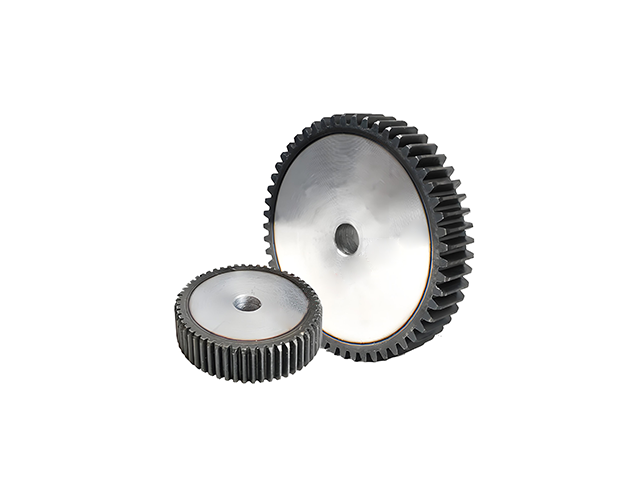
Modern industrial operations demand mechanical components that deliver exceptional performance under extreme conditions. Among the most critical elements in heavy-duty machinery are spur gears, which serve as the backbone of power transmission systems across countless applications. These precision-engineered components enable efficient torque transfer while maintaining operational reliability in environments where failure is not an option. Understanding the advantages and applications of spur gears becomes essential for engineers and procurement professionals seeking optimal mechanical solutions for demanding industrial scenarios.
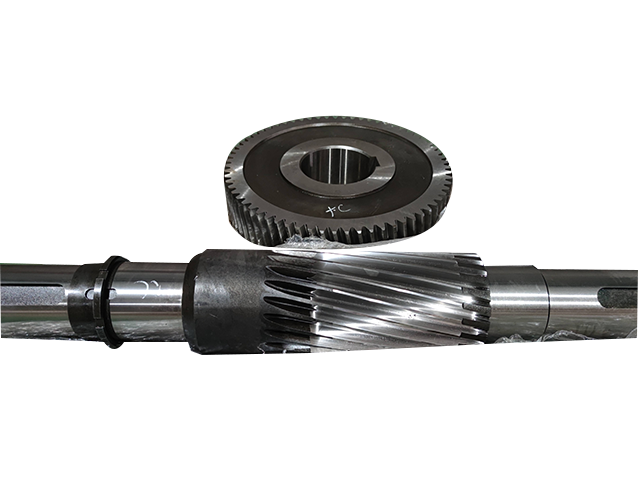
Engineering Excellence in Power Transmission
Fundamental Design Principles
Spur gears represent the most straightforward and widely utilized gear configuration in mechanical engineering applications. Their cylindrical design features straight teeth that run parallel to the gear axis, creating a direct and efficient power transmission mechanism. This fundamental geometry enables spur gears to handle substantial radial loads while maintaining precise rotational motion transfer between parallel shafts. The simplicity of their design translates into manufacturing advantages, making precision spur gears cost-effective solutions for heavy-duty applications requiring reliable performance.
The tooth profile of high-quality spur gears follows involute geometry, ensuring smooth engagement and disengagement during operation. This mathematical precision minimizes friction losses and reduces wear patterns that could compromise long-term performance. Manufacturing tolerances for precision spur gears typically achieve AGMA quality grades ranging from 10 to 12, delivering exceptional accuracy in tooth spacing and profile consistency. These stringent specifications become particularly critical in heavy-duty operations where even minor deviations can lead to premature failure or reduced efficiency.
Material Selection and Durability
Premium spur gears designed for heavy-duty applications utilize advanced metallurgical compositions that enhance strength and longevity. Common materials include case-hardened steel alloys such as 4140, 4340, and 8620, which provide excellent core toughness combined with superior surface hardness. The case hardening process creates a hard, wear-resistant outer layer while maintaining a tough, shock-absorbing core structure. This dual-zone metallurgy enables spur gears to withstand high contact stresses and impact loads characteristic of heavy industrial machinery.
Alternative materials for specialized applications include stainless steel variants and exotic alloys that offer corrosion resistance or extreme temperature capabilities. The selection process considers factors such as operating environment, load characteristics, speed requirements, and maintenance accessibility. Proper material selection ensures that spur gears maintain dimensional stability and mechanical properties throughout their operational lifespan, even under continuous heavy-duty cycling conditions.
Performance Advantages in Industrial Applications
Efficiency and Power Transmission
Precision spur gears achieve transmission efficiencies exceeding 98% under optimal operating conditions, making them highly effective for power-critical applications. The direct tooth engagement minimizes sliding friction compared to other gear types, resulting in reduced energy losses and lower operating temperatures. This efficiency advantage becomes increasingly significant in large-scale industrial operations where even small percentage improvements in power transmission translate into substantial energy cost savings over time.
The parallel shaft configuration of spur gears enables compact gearbox designs that maximize power density while minimizing installation space requirements. Heavy-duty spur gears can handle torque ratings from hundreds to tens of thousands of foot-pounds, depending on size and material specifications. This scalability makes them suitable for applications ranging from precision machinery to massive industrial equipment such as steel mills, mining operations, and power generation facilities.
Maintenance and Operational Benefits
Well-designed spur gears offer predictable wear patterns and extended service intervals that reduce maintenance requirements in heavy-duty operations. The straight tooth geometry facilitates visual inspection and condition monitoring, allowing maintenance personnel to assess gear health without complete disassembly. Regular inspection protocols can identify early signs of wear, misalignment, or lubrication issues before they progress to critical failures that could halt production operations.
The manufacturing precision of quality spur gears ensures consistent backlash characteristics that maintain positional accuracy throughout their service life. This reliability proves essential in applications requiring precise timing or positioning control, such as automated manufacturing systems or heavy construction equipment. Proper lubrication and environmental protection enable spur gears to operate continuously for years with minimal intervention, reducing total cost of ownership in demanding industrial environments.
Critical Applications in Heavy-Duty Industries
Mining and Extraction Equipment
Mining operations rely extensively on spur gears for conveyor systems, crushers, and extraction equipment that must operate reliably under extreme conditions. The harsh environments typical of mining applications expose mechanical components to dust, moisture, temperature extremes, and shock loads that challenge conventional equipment. Precision spur gears manufactured to stringent specifications can withstand these demanding conditions while maintaining operational reliability essential for continuous production schedules.
Large-scale mining equipment often incorporates spur gears in reduction gearboxes that convert high-speed motor output to the lower speeds and higher torques required for material handling and processing equipment. The robust construction of heavy-duty spur gears enables them to handle the substantial loads generated by tons of ore and rock moving through processing systems. Proper gear selection and maintenance protocols ensure that mining operations can achieve their production targets while minimizing equipment downtime.
Steel Production and Metal Processing
Steel mills and metal processing facilities utilize massive spur gears in rolling mills, where precise control of roll speeds and pressures determines product quality and dimensional accuracy. The extreme loads generated during steel rolling require gears capable of transmitting tremendous torques while maintaining accurate speed ratios. Precision spur gears designed for these applications often feature specialized tooth modifications and surface treatments that enhance load capacity and extend service life under continuous high-stress conditions.
Hot metal environments present additional challenges for gear systems, including thermal expansion effects and potential exposure to scale and contaminants. Advanced spur gears incorporate design features such as thermal compensation and protective coatings that enable reliable operation in these demanding conditions. The economic impact of gear failure in steel production can be enormous, making investment in high-quality spur gears a critical factor in maintaining profitable operations.
Design Considerations for Heavy-Duty Performance
Load Analysis and Sizing
Proper sizing of spur gears for heavy-duty applications requires comprehensive analysis of load conditions, including peak torques, cyclic loading patterns, and shock factors that may occur during operation. Engineering calculations must consider both transmitted loads and externally applied forces such as belt tensions or hydraulic pressures that create additional stresses on gear teeth. Service factors appropriate for the specific application ensure adequate safety margins while avoiding unnecessary over-design that increases costs and installation complexity.
Advanced finite element analysis techniques enable engineers to optimize spur gear designs for specific heavy-duty applications, identifying stress concentrations and potential failure modes before manufacturing. This analytical approach allows for tooth profile modifications, web configurations, and hub designs that maximize load capacity while minimizing weight and material usage. The resulting optimized spur gears deliver superior performance characteristics tailored to the unique requirements of each heavy-duty application.
Manufacturing Quality and Precision
Manufacturing processes for precision spur gears utilize advanced machining technologies including CNC gear hobbing, grinding, and inspection systems that achieve exceptional dimensional accuracy and surface finish quality. Quality control protocols verify tooth geometry, hardness distribution, and material properties to ensure compliance with engineering specifications. These manufacturing standards become particularly critical for spur gears intended for heavy-duty service, where dimensional variations can lead to uneven load distribution and premature failure.
Heat treatment processes for heavy-duty spur gears require precise control of temperature profiles, quenching rates, and tempering parameters to achieve optimal mechanical properties. Advanced heat treatment facilities utilize computer-controlled furnaces and quenching systems that ensure consistent results across production batches. Post-heat treatment machining operations restore dimensional accuracy while maintaining the metallurgical benefits of the hardening process, resulting in spur gears that combine precision with durability.
Installation and Maintenance Best Practices
Proper Assembly Techniques
Installation of precision spur gears requires careful attention to alignment, backlash adjustment, and lubrication system setup to ensure optimal performance in heavy-duty applications. Shaft alignment tolerances must be maintained within specified limits to prevent edge loading conditions that could cause accelerated wear or tooth breakage. Professional installation procedures include verification of gear mesh patterns, backlash measurements, and bearing preload settings that affect overall system performance and longevity.
Lubrication system design plays a crucial role in spur gear performance, particularly in heavy-duty applications where heat generation and contamination risks are elevated. Proper lubricant selection considers viscosity requirements, additive packages, and compatibility with seal materials used throughout the gear system. Installation procedures must ensure adequate lubricant flow to all gear mesh points while providing effective contamination exclusion that protects precision surfaces from damage.
Preventive Maintenance Protocols
Effective maintenance programs for heavy-duty spur gears incorporate condition monitoring techniques such as vibration analysis, oil sampling, and thermal imaging that provide early warning of developing problems. Regular inspection schedules enable maintenance personnel to identify issues such as misalignment, inadequate lubrication, or contamination before they progress to gear damage. These proactive approaches minimize unscheduled downtime while maximizing the service life of expensive precision spur gears.
Documentation of operating conditions, maintenance activities, and performance trends provides valuable data for optimizing maintenance intervals and identifying opportunities for system improvements. Maintenance records help establish baseline performance characteristics and track changes that may indicate developing problems or the need for component replacement. This systematic approach to spur gear maintenance ensures reliable heavy-duty operation while controlling lifecycle costs.
FAQ
What makes spur gears suitable for heavy-duty industrial applications?
Spur gears excel in heavy-duty applications due to their robust design, high load capacity, and excellent power transmission efficiency. Their straight tooth geometry provides maximum contact area for load distribution, while precision manufacturing ensures reliable performance under extreme operating conditions. The simplicity of spur gear design also facilitates maintenance and reduces the likelihood of failure modes that could affect more complex gear configurations.
How do material selections impact spur gear performance in demanding environments?
Material selection significantly affects spur gear durability and performance characteristics in heavy-duty service. Case-hardened steel alloys provide the optimal combination of surface hardness for wear resistance and core toughness for shock absorption. Specialized materials such as stainless steel or exotic alloys may be required for applications involving corrosive environments or extreme temperatures, ensuring that gear performance remains consistent throughout the operational lifespan.
What maintenance practices extend the service life of precision spur gears?
Effective maintenance practices include regular lubrication system monitoring, periodic gear mesh inspections, and systematic condition monitoring using vibration analysis and oil sampling techniques. Maintaining proper alignment and backlash settings prevents premature wear, while keeping gear systems clean and properly lubricated ensures optimal performance. Documentation of operating history and maintenance activities helps optimize service intervals and identify potential improvements to system reliability.
How do precision tolerances affect spur gear performance in heavy-duty operations?
Precision manufacturing tolerances directly impact load distribution, noise levels, and service life of spur gears in demanding applications. Tight dimensional control ensures uniform load sharing across all gear teeth, preventing stress concentrations that could lead to premature failure. High-precision spur gears also exhibit lower vibration levels and improved efficiency, making them essential for heavy-duty applications where reliability and performance consistency are critical operational requirements.
Table of Contents
- Engineering Excellence in Power Transmission
- Performance Advantages in Industrial Applications
- Critical Applications in Heavy-Duty Industries
- Design Considerations for Heavy-Duty Performance
- Installation and Maintenance Best Practices
-
FAQ
- What makes spur gears suitable for heavy-duty industrial applications?
- How do material selections impact spur gear performance in demanding environments?
- What maintenance practices extend the service life of precision spur gears?
- How do precision tolerances affect spur gear performance in heavy-duty operations?