
 EN
EN
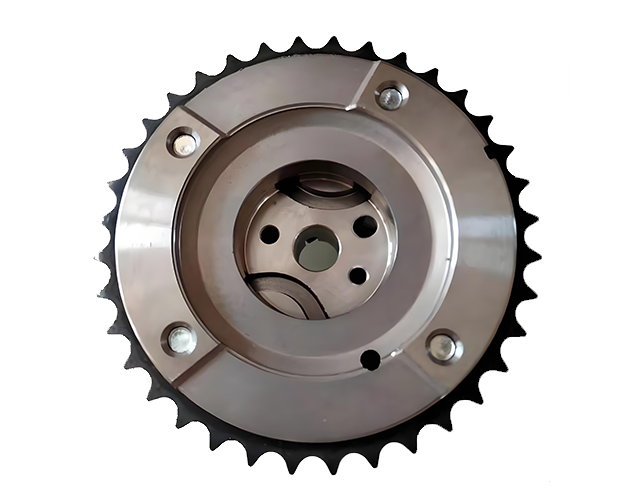
Spur gears represent one of the most fundamental and widely used mechanical power transmission components in modern industrial applications. These cylindrical gears with straight teeth cut parallel to the axis provide reliable torque transfer between parallel shafts with exceptional precision and efficiency. Understanding how spur gears enhance mechanical performance and accuracy is essential for engineers and manufacturers seeking optimal solutions for their power transmission requirements. The distinctive design characteristics of spur gears make them indispensable across numerous industries, from automotive and aerospace to manufacturing and robotics applications.
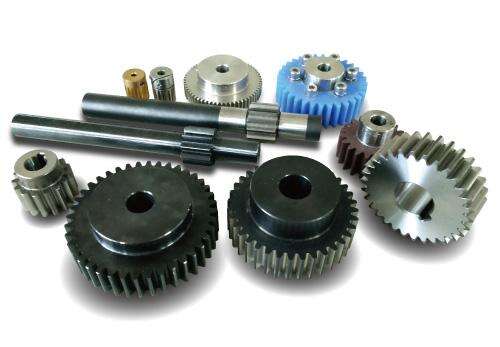
Fundamental Design Principles of Spur Gears
Basic Geometric Configuration
The geometric design of spur gears follows precise mathematical principles that ensure optimal power transmission efficiency. Each tooth profile is engineered according to involute curve specifications, which maintain constant velocity ratios throughout the meshing cycle. This geometric precision allows spur gears to deliver smooth torque transfer while minimizing vibration and noise generation. The straight-cut teeth arrangement provides maximum contact area between meshing gears, resulting in superior load distribution and enhanced durability under demanding operational conditions.
Manufacturing tolerances for spur gears are typically maintained within extremely tight specifications to ensure proper meshing characteristics. The pitch diameter, tooth thickness, and root diameter must be precisely controlled to achieve optimal gear performance. These stringent dimensional requirements contribute to the exceptional accuracy that spur gears provide in mechanical systems, making them ideal for applications requiring precise positioning and timing control.
Material Selection and Heat Treatment
Modern spur gears utilize advanced metallurgical processes to achieve superior mechanical properties and extended service life. High-strength alloy steels such as 4140, 4340, and case-hardening grades provide excellent fatigue resistance and wear characteristics. The material selection process considers factors including load capacity requirements, operating temperature ranges, and environmental conditions to ensure optimal performance in specific applications.
Heat treatment processes including carburizing, nitriding, and induction hardening create hardened surface layers while maintaining tough core properties. These treatments significantly improve the load-carrying capacity of spur gears while enhancing their resistance to surface fatigue and wear. The combination of proper material selection and advanced heat treatment techniques enables spur gears to achieve exceptional mechanical performance under high-stress operating conditions.
Performance Enhancement Through Precision Manufacturing
Advanced Machining Techniques
Modern manufacturing processes for spur gears employ state-of-the-art machining technologies to achieve superior dimensional accuracy and surface finish quality. Computer-controlled gear cutting machines utilize hobbing, shaping, and grinding operations to produce teeth with micron-level precision. These advanced manufacturing techniques ensure consistent tooth profiles and eliminate variations that could compromise gear performance or introduce unwanted vibrations.
Surface finishing operations including gear grinding and lapping further enhance the precision of spur gears by removing microscopic irregularities and achieving optimal surface roughness values. These finishing processes are particularly critical for high-speed applications where smooth meshing characteristics directly impact efficiency and noise levels. The investment in precision manufacturing techniques translates to superior mechanical performance and extended operational life for spur gear systems.
Quality Control and Inspection Methods
Comprehensive quality control protocols ensure that manufactured spur gears meet stringent accuracy requirements before reaching end-users. Coordinate measuring machines and gear analyzers perform detailed inspections of tooth geometry, pitch accuracy, and profile deviations. These sophisticated measurement systems can detect minute variations that might affect gear performance, enabling manufacturers to maintain consistent quality standards across production runs.
Non-destructive testing methods including magnetic particle inspection and ultrasonic testing verify the integrity of gear materials and identify potential defects that could lead to premature failure. The implementation of rigorous quality control measures ensures that spur gears deliver reliable performance and meet the demanding accuracy requirements of precision mechanical systems.
Mechanical Performance Advantages
Load Distribution and Stress Management
The straight-tooth design of spur gears provides uniform load distribution across the entire tooth face width, resulting in optimal stress management characteristics. This even load distribution minimizes stress concentrations that could lead to premature tooth failure or reduced system reliability. The parallel tooth arrangement ensures that contact forces are transmitted directly through the gear center, eliminating bending moments that might compromise structural integrity.
Finite element analysis studies demonstrate that properly designed spur gears exhibit superior fatigue resistance compared to other gear types under equivalent loading conditions. The predictable stress patterns generated by spur gears enable engineers to optimize tooth geometry and select appropriate safety factors for specific applications. This level of stress predictability contributes significantly to the exceptional mechanical performance that spur gears deliver in demanding industrial environments.
Efficiency and Power Transmission Characteristics
Spur gears achieve remarkably high transmission efficiencies, typically ranging from 98% to 99% in well-designed applications. This exceptional efficiency results from the direct contact between parallel teeth, which minimizes sliding friction and energy losses during power transmission. The high efficiency characteristics of spur gears make them particularly attractive for applications where energy conservation and operational cost reduction are important considerations.
The power transmission capacity of spur gears is primarily limited by tooth bending strength and surface durability factors. Advanced design methodologies consider both failure modes to optimize gear geometry and achieve maximum power density while maintaining acceptable safety margins. The ability of spur gears to handle substantial torque loads while maintaining precise timing relationships makes them indispensable in high-performance mechanical systems.
Accuracy Enhancement in Mechanical Systems
Positional Precision and Repeatability
The inherent design characteristics of spur gears provide exceptional positional accuracy and repeatability in mechanical positioning systems. The involute tooth profile ensures constant angular velocity ratios, eliminating variations that could introduce positioning errors. This consistent motion transfer capability makes spur gears ideal for applications requiring precise angular positioning, such as robotics, machine tools, and automated manufacturing equipment.
Backlash control in spur gears can be precisely managed through careful manufacturing tolerances and assembly procedures. Low-backlash configurations minimize lost motion and improve system responsiveness, particularly important in servo-controlled applications. The ability to achieve virtually zero backlash through proper design and manufacturing techniques enables spur gears to deliver exceptional accuracy in bidirectional positioning systems.
Timing and Synchronization Applications
Spur gears excel in timing and synchronization applications where precise phase relationships must be maintained between multiple rotating components. The constant velocity ratio characteristics of spur gears ensure that timing relationships remain stable over extended operating periods. This reliability makes spur gears particularly valuable in engine timing systems, printing machinery, and other applications where synchronization accuracy directly impacts performance.
Manufacturing precision directly correlates with timing accuracy in spur gear applications. Modern gear cutting techniques can achieve pitch line accuracies within 0.0001 inches, enabling exceptional timing precision even in high-speed operations. The combination of precise manufacturing and inherent design stability ensures that spur gears maintain accurate timing relationships throughout their operational life cycle.
Industrial Applications and Performance Benefits
Automotive and Transportation Systems
Automotive applications utilize spur gears extensively in transmission systems, differential assemblies, and accessory drives where reliable power transmission and precise gear ratios are essential. The robust construction and predictable performance characteristics of spur gears make them well-suited for the demanding operating conditions encountered in automotive environments. Engine timing systems particularly benefit from the accuracy and reliability that spur gears provide in maintaining precise valve timing relationships.
Advanced automotive spur gears incorporate specialized coatings and surface treatments to enhance durability and reduce friction in high-speed applications. These technological improvements enable modern vehicles to achieve improved fuel efficiency while maintaining the reliability and performance standards demanded by consumers. The continued evolution of spur gear technology contributes significantly to automotive industry advancement and environmental sustainability initiatives.
Industrial Manufacturing and Automation
Manufacturing equipment relies heavily on spur gears for power transmission in machine tools, conveyor systems, and automated production machinery. The precision and reliability of spur gears enable manufacturers to achieve consistent product quality and maintain tight dimensional tolerances in their manufacturing processes. High-precision spur gears are particularly critical in CNC machining centers where positioning accuracy directly affects finished part quality.
Robotic systems utilize spur gears in joint actuators and positioning mechanisms where precise motion control is essential for accurate task execution. The combination of high torque capacity and exceptional positional accuracy makes spur gears ideal for robotic applications requiring both strength and precision. Advanced manufacturing techniques continue to improve the performance characteristics of spur gears, enabling more sophisticated robotic capabilities and expanded application possibilities.
Maintenance and Operational Considerations
Lubrication Systems and Requirements
Proper lubrication is essential for maintaining optimal performance and extending the operational life of spur gears. Modern synthetic lubricants provide superior protection against wear and thermal degradation while maintaining stable viscosity characteristics across wide temperature ranges. The selection of appropriate lubricants considers factors including operating speed, load conditions, and environmental requirements to ensure optimal gear performance.
Advanced lubrication systems incorporate monitoring technologies that track lubricant condition and contamination levels to optimize maintenance intervals. Predictive maintenance approaches utilize vibration analysis and oil analysis techniques to identify potential issues before they result in gear failure. These proactive maintenance strategies help maximize the performance benefits that spur gears provide while minimizing unexpected downtime costs.
Performance Monitoring and Diagnostic Techniques
Modern diagnostic techniques enable continuous monitoring of spur gear performance to detect early signs of wear or damage. Vibration analysis systems can identify characteristic frequency patterns associated with gear tooth defects, enabling timely maintenance interventions. Temperature monitoring provides additional insights into gear loading conditions and lubrication effectiveness, helping optimize operating parameters for maximum performance and longevity.
Acoustic emission monitoring techniques offer real-time assessment of gear condition by detecting high-frequency signals generated by surface interactions and material deformation. These advanced monitoring systems enable operators to optimize spur gear performance while preventing costly failures through early detection of developing problems. The integration of diagnostic technologies with modern spur gear systems maximizes operational efficiency and reliability.
FAQ
What factors determine the accuracy of spur gears in precision applications
The accuracy of spur gears in precision applications depends primarily on manufacturing tolerances, tooth profile geometry, and material properties. Key factors include pitch line accuracy, tooth spacing uniformity, profile deviations, and surface finish quality. Modern manufacturing techniques can achieve AGMA Class 10-15 accuracy levels, providing exceptional positional precision suitable for demanding applications such as machine tools and robotics.
How do spur gears compare to other gear types in terms of mechanical performance
Spur gears offer several advantages over other gear types including higher efficiency, simpler manufacturing requirements, and more predictable load distribution characteristics. While helical gears provide quieter operation and higher load capacity, spur gears excel in applications requiring maximum efficiency and precise timing relationships. The direct power transmission path in spur gears minimizes energy losses and provides superior positional accuracy compared to worm gears or bevel gears.
What maintenance practices optimize spur gear performance and longevity
Optimal spur gear performance requires regular lubrication maintenance, proper alignment verification, and periodic inspection for wear or damage. Key maintenance practices include maintaining appropriate lubricant levels and cleanliness, monitoring operating temperatures, and conducting vibration analysis to detect early signs of deterioration. Proper installation procedures and shaft alignment are critical for achieving maximum gear life and maintaining performance specifications.
Can spur gears be customized for specific performance requirements
Yes, spur gears can be extensively customized to meet specific performance requirements through modifications to tooth geometry, material selection, heat treatment processes, and surface coatings. Custom gear designs can optimize characteristics such as load capacity, noise levels, efficiency, and operating speed ranges. Modern manufacturing capabilities enable the production of specialized spur gears tailored to unique application requirements while maintaining exceptional quality and performance standards.