
 EN
EN
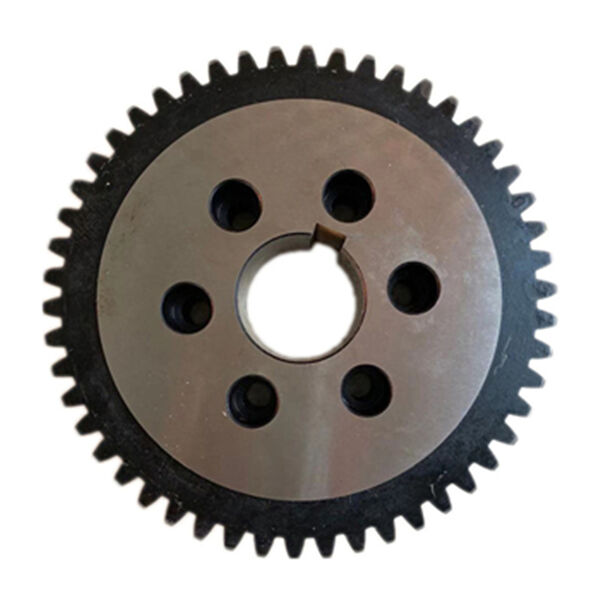
Spur gears represent one of the most fundamental and widely utilized mechanical transmission components in modern engineering systems. These cylindrical gears feature straight teeth that are parallel to the gear axis, making them the simplest and most cost-effective solution for transmitting rotational motion and torque between parallel shafts. Their straightforward design and manufacturing process have established spur gears as the backbone of countless mechanical applications across diverse industries, from automotive manufacturing to precision instrumentation.
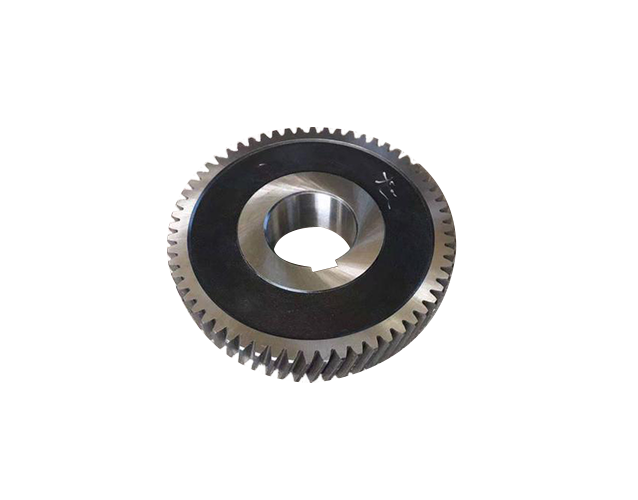
The widespread adoption of spur gears stems from their exceptional reliability, predictable performance characteristics, and relatively simple maintenance requirements. Unlike helical or bevel gears that introduce axial forces and complex stress patterns, spur gears generate purely radial forces during operation, simplifying bearing selection and housing design. This fundamental advantage makes them particularly suitable for applications where simplicity, cost-effectiveness, and ease of manufacture are primary considerations.
Automotive Industry Applications
Transmission Systems and Differential Mechanisms
Within automotive transmission systems, spur gears serve critical functions in manual gearboxes, particularly in reverse gear assemblies and final drive configurations. The robust construction and high load-carrying capacity of spur gears make them ideal for handling the substantial torque requirements of modern vehicles. Their ability to provide precise gear ratios enables automotive engineers to optimize engine performance across various driving conditions while maintaining mechanical efficiency.
Differential systems extensively utilize spur gears to distribute power between wheels while accommodating speed differences during cornering maneuvers. The planetary gear arrangements commonly found in automotive differentials rely heavily on spur gears to achieve the complex motion relationships required for smooth vehicle operation. These applications demand exceptional durability and precision, characteristics that spur gears deliver consistently under demanding operating conditions.
Engine Timing and Accessory Drives
Engine timing systems frequently incorporate spur gears for camshaft and crankshaft synchronization, particularly in high-performance applications where precise timing control is paramount. The positive engagement characteristics of spur gears eliminate the slip potential associated with belt-driven systems, ensuring accurate valve timing throughout the engine's operating range. This reliability proves especially crucial in racing applications and heavy-duty commercial vehicles where timing precision directly impacts performance and longevity.
Accessory drive systems within automotive engines commonly employ spur gears for powering oil pumps, water pumps, and other auxiliary components. The compact nature of spur gears allows engineers to design efficient packaging solutions within the constrained space of modern engine compartments. Their ability to operate reliably in high-temperature environments and resist contamination makes them particularly suitable for these demanding applications.
Industrial Manufacturing Equipment
Machine Tool Operations
Machine tool applications represent one of the largest markets for precision spur gears, where their accuracy and repeatability directly influence manufacturing quality. Lathes, milling machines, and grinding equipment rely on spur gears to provide the precise speed ratios and positioning control necessary for achieving tight tolerances. The inherent rigidity of spur gears minimizes backlash and ensures consistent cutting parameters, making them indispensable components in precision manufacturing operations.
CNC machinery extensively utilizes spur gears in spindle drive systems and feed mechanisms where positioning accuracy and surface finish quality are critical performance parameters. The predictable load distribution characteristics of spur gears enable machine tool designers to optimize cutting forces and minimize vibration, resulting in superior part quality and extended tool life. Modern manufacturing demands have driven continuous improvements in spur gear precision and surface treatments to meet increasingly stringent accuracy requirements.
Conveyor and Material Handling Systems
Material handling applications leverage the robust construction and reliable operation of spur gears to manage heavy loads and continuous duty cycles. Conveyor systems in manufacturing facilities, mining operations, and distribution centers depend on spur gears to provide the necessary torque multiplication and speed reduction for efficient material transport. The ability of spur gears to handle shock loads and variable operating conditions makes them particularly well-suited for these demanding applications.
Automated warehouse systems and robotic material handling equipment incorporate precision spur gears to achieve the positioning accuracy and repeatability required for modern logistics operations. The consistent performance characteristics of spur gears enable system designers to implement sophisticated control algorithms that optimize throughput while maintaining operational reliability. These applications often require custom gear specifications to meet specific load, speed, and environmental requirements.
Power Generation and Distribution
Wind Turbine Gearboxes
Renewable energy systems, particularly wind turbines, represent a growing application area for large-scale spur gears designed to handle extreme loads and environmental conditions. Wind turbine gearboxes typically incorporate multiple stages of spur gears to achieve the substantial speed increase required to convert slow rotor rotation into the high-speed rotation needed for electrical generation. The reliability and maintainability of spur gears make them attractive choices for these remote installations where service accessibility is limited.
The variable loading conditions and extreme environmental exposure characteristic of wind turbine operations demand specialized spur gear designs with enhanced fatigue resistance and corrosion protection. Advanced materials and surface treatments have evolved to meet these challenges, enabling spur gears to operate reliably for decades in harsh offshore and mountainous environments. The scalability of spur gear manufacturing processes makes them economically viable for the large sizes required in modern wind turbine applications.
Hydroelectric Generation Systems
Hydroelectric power generation facilities utilize massive spur gears in turbine-generator coupling systems where reliability and efficiency are paramount considerations. These applications often involve custom-engineered spur gears with diameters measured in meters, requiring specialized manufacturing techniques and quality control procedures. The long service life expectations and critical nature of power generation equipment necessitate exceptional material properties and precision manufacturing standards.
Small-scale hydroelectric installations and micro-hydro systems frequently employ standardized spur gears to achieve cost-effective power generation solutions. The simplicity and reliability of spur gears make them particularly suitable for remote installations where maintenance capabilities may be limited. These applications often require spur gears capable of operating efficiently across wide speed and load ranges while maintaining consistent performance over extended periods.
Precision Instrumentation and Robotics
Laboratory and Scientific Equipment
Scientific instrumentation relies heavily on precision spur gears to achieve the accurate positioning and smooth motion control required for sensitive measurements and experiments. Microscopy equipment, spectrometers, and analytical instruments incorporate miniature spur gears manufactured to exceptional precision standards to ensure reliable operation and measurement repeatability. The predictable motion characteristics of spur gears enable instrument designers to implement sophisticated calibration and control systems.
Astronomical telescopes and observatory equipment represent specialized applications where spur gears must provide extremely precise positioning control while handling substantial loads from large optical systems. These applications often require custom spur gear designs with specialized materials and manufacturing processes to achieve the necessary precision and durability. The ability to manufacture spur gears with predictable performance characteristics makes them essential components in advanced scientific research equipment.
Industrial Automation and Robotics
Robotic systems across manufacturing, healthcare, and service industries depend on precision spur gears to achieve the accuracy and repeatability required for automated operations. Industrial robots utilize spur gears in joint actuators and end-effector mechanisms where precise positioning control directly impacts operational effectiveness. The high torque density and compact packaging possible with spur gears make them particularly suitable for robotic applications with strict weight and space constraints.
Automated assembly systems and pick-and-place equipment incorporate spur gears to provide the precise motion control necessary for high-speed manufacturing operations. The consistent performance characteristics and low maintenance requirements of spur gears enable these systems to operate continuously with minimal downtime. Advanced manufacturing techniques have enabled the production of spur gears with exceptional surface finish and dimensional accuracy to meet the demanding requirements of modern automation equipment.
Marine and Aerospace Applications
Marine Propulsion Systems
Marine propulsion systems frequently utilize robust spur gears in reduction gearboxes that convert high-speed engine rotation to the lower speeds optimal for propeller efficiency. Commercial vessels, naval ships, and recreational boats depend on spur gears to provide reliable power transmission in demanding marine environments. The corrosion resistance and durability of properly treated spur gears make them suitable for extended operation in saltwater conditions.
Specialized marine applications such as azimuth thrusters and dynamic positioning systems incorporate precision spur gears to achieve the accurate positioning control required for modern vessel maneuvering systems. These applications often require spur gears capable of operating efficiently in both forward and reverse directions while handling varying load conditions. The reliability and maintainability of spur gears are particularly important in marine applications where equipment failure can have serious safety implications.
Aerospace Actuation Systems
Aerospace applications utilize lightweight, high-strength spur gears in flight control actuators, landing gear mechanisms, and engine accessories where weight minimization and reliability are critical design constraints. The predictable performance characteristics of spur gears enable aerospace engineers to implement sophisticated control systems with precise position feedback and force control capabilities. These applications often require specialized materials and manufacturing processes to meet stringent aerospace quality standards.
Satellite systems and space exploration equipment incorporate miniature spur gears in antenna positioning systems, solar panel drives, and scientific instrument actuators where long-term reliability in extreme environments is essential. The vacuum compatibility and radiation resistance of properly designed spur gears make them suitable for space applications where maintenance is impossible and failure tolerance is extremely low.
FAQ
What are the main advantages of spur gears over other gear types?
Spur gears offer several distinct advantages including simplicity of design and manufacture, cost-effectiveness, high efficiency, and ease of maintenance. Their straight teeth generate only radial forces, eliminating the need for thrust bearings and simplifying housing design. The manufacturing process for spur gears is well-established and can achieve high precision at reasonable cost, making them suitable for both high-volume production and custom applications.
How do environmental conditions affect spur gear performance?
Environmental factors such as temperature, humidity, contamination, and corrosive substances can significantly impact spur gear performance and longevity. Proper material selection, surface treatments, and lubrication systems are essential for ensuring reliable operation in challenging environments. Modern spur gears can be engineered with specialized coatings and materials to withstand extreme temperatures, corrosive atmospheres, and contaminated operating conditions while maintaining performance specifications.
What factors determine the load-carrying capacity of spur gears?
The load-carrying capacity of spur gears depends on multiple factors including material properties, heat treatment, tooth geometry, surface finish, and lubrication conditions. Gear size, face width, and the number of teeth in contact also influence load capacity. Modern gear design utilizes advanced stress analysis techniques and standardized rating procedures to optimize load capacity while ensuring acceptable safety margins for specific applications.
How has manufacturing technology improved spur gear precision and quality?
Advanced manufacturing technologies including CNC gear cutting, precision grinding, and coordinate measuring machines have dramatically improved spur gear precision and consistency. Modern gear manufacturing can achieve accuracy grades suitable for the most demanding applications while maintaining cost-effectiveness for high-volume production. Quality control systems incorporating statistical process control and automated inspection ensure consistent gear quality and performance characteristics across production runs.